


Plant essential Elements
Primary nutrients
Secondary Nutrients
Micronutrients
Nitrogen
Is an essential component of the amino acids which make up the proteins in plants, animals and humans.
Makes up to 80% of the air we breath, but is present in the form not suitable for plant growth. The vast majority of crops require the addition of mineral nitrogen fertilizers to reach their yield potential.
Is present in all crops grown for food. It is simply vital for plants because it is a major component of chlorophyll, and thus enables photosynthesis
Is a significant component of nucleic acids such as DNA, the genetic
Helps in Vegetative growth of plants
Stimulates root growth and uptake of other nutrients
The rate of plant growth and its protein content
are directly related to the availability of nitrogen in the soil.
| Source | Air & Soil |
|---|---|
| Uptake in plants | NO 3 (NITRATE) & NH*4 (AMMONIUM) |
| Mobility in soil | Nitrate (NO3)-Highly Mobile Ammonium (NH*4)- Moderately Mobile |
| Mobility in plants | Mobile |
| Availability in soil PH | 6 to 8 |
| Deficiency in plants | Older Leaves |
| Deficiency reasons | Excess leaching with heavy rainfall, low organic matter content of soils, burning the crop residue |
| Nitrogen (Fertilizers, Manure & Bio Fertilizers) | Nitrogen % |
|---|---|
| Urea | 46 |
| DAP | 18 |
| Ammoium Sulphate | 20.5 |
| 10:26:26 | 10 |
| Potasium Nitrate | 13 |
| Mono Ammonium Phosphate | 12 |
| FYM | 0.5 |
| Bio Organic Manure More than | 3% |
| Nitrogen Fixing Bacteria's |
|---|
| Rhizobium-Legumnious |
| Azospirillum, Azotobacter Non-Legumnious |
Phosphorus-p
P Deficiency Symptoms
Small leaves take on a reddish-purple tint; leaf tips look burnt and older leaves become almost black.
Stunted growth and poor rooting.
Since phosphorus
is mobile within the plant, defciency symptoms appear
on lower and older leaves frst.

| Source | Soil |
|---|---|
| Uptake In Plants | H2PO4 & HPO42 |
| Mobility in Soil | Immobile |
| Mobility in Plants | Mobile |
| Availability in Soil pH | 6.5 to 7.5 |
| Deficiency in Plants | Older Leaves |
| Deficient Due to | Acidic condition, calcareous soils |
| Phosphorus (Fertilizers, Manures & Bio Fertilizers) | Phosphorus % |
|---|---|
| DAP | 46 |
| SSP | 16 |
| Rock Phosphate | 18 |
| 10:26:26 | 26 |
| Mono Potassium Phosphate | 52 |
| Mono Ammonium Phosphate | 61 |
| Neem Cake | 1.0 |
| FYM | 0.25 |
| Annapurna | |
| P solubilizing Microorganism Bacillus species |
Potassium-k
Role of Potassium in Plants
K assists in regulating the plant’s use of water by controlling the opening and closing of leaf stomates
K has been shown to improve disease resistance in plants, improve the size of grains and seeds, and improve the quality of fruits and vegetables.
Potassium (K) increases crop yield and improves quality. It is required for numerous plant growth processes.
K promotes the translocation (sugars) of photosynthates for plant growth or storage in fruits or roots
| Available Source | Nitrate & Ammonium |
|---|---|
| Source | Soil |
| Uptake In Plants | K+ |
| Mobility in Soil | Immobile |
| Mobility in Plants | Mobile |
| Availability in Soil pH | 5.8 to 9.5 |
| Deficiency in Plants | Older Leaves |
| Deficient due to | Sandy, organic, leached and eroded soils; intensive cropping system without addition of fertilizer |
| Potassium (Fertilizers, Manures & Bio Fertilizers) | Potassium% |
|---|---|
| MOP | 60 |
| SOP | 50 |
| 10:26:26 | 10 |
| 13:0:45 | 45 |
| Mono Potassium Phosphate | 34 |
| Neem Cake | 1.4 |
| FYM | 0.5 |
| K mobilizing Microorganism (KMB) | |
| Molasses Potash | 14.5 |
Deficiency
- Edges of older leaves will appear burned, a symptom
- known as scorch; plants will easily lodge and be sensitive to disease
- infestation; fruit and seed production will be impaired and of poor quality.


Calcium-Ca

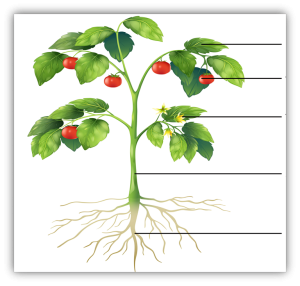
Increases Cellwall thickness and thereby increasing strength of plant
Presence of sufficient quantity of calcium reduces disease incidence from harmful plant pathogens
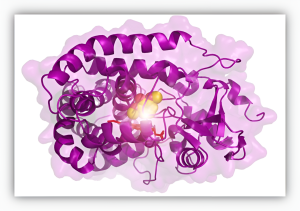
Ca is an activator of several enzyme systems in protein synthesis and carbohydrate transfer

| Source | Soil |
|---|---|
| Uptake In Plants | CA2++ |
| Mobility in Soil | Immobile |
| Mobility in Plants | Immobile |
| Availability in Soil pH | 6.5 to 8.5 |
| Deficiency in Plants | Young Leaves |
| Deficient Due to | Acidic, Alkali, or sodic |
| Calcium Fertilizers | Calcium % |
|---|---|
| Lime-Caco3 | 32 |
| Gypsum | 23 |
| Calcium Nitrate | 18 |
| Calcium Ammonium Nitrate | 08 |
| SSP | 20 |
| Dolomite | 14-31 |
Deficiency
Growing tips of roots and leaves will turn brown and die; the edges of leaves will look ragged as the edges of emerging leaves will stick together; fruit quality will be affected, and blossom-end rot will appear on fruits

Magnesium-Mg

Role of Magnesium in Plants
Magnesium is as a major constituent of the chlorophyll molecule, and it is therefore actively involved in photosynthesis
Magnesium helps in translocation of sugar within plant
Assists in translocation of phosphorus in plants
Promotes early growth, uniformity and plant hardiness
| Source | Soil |
|---|---|
| Uptake In Plants | Mg2++ |
| Mobility in Soil | Immobile |
| Mobility in Plants | Mobile |
| Deficiency in Plants | Older Leaves |
| Availability in Soil pH | 6 to 8.5 |
| Deficient Due to | Acidic, Alkali, or sodic soils |
| Magnesium Fertilizers | Magnesium % |
|---|---|
| Dolomite | 11 % |
| Magnesium Sulphate | 9.5 % |
| Magnesium EDTA | 6 % |
Deficiency
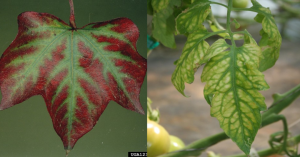
Older leaves will be yellow, with interveinal chlorosis (yellowing between veins) symptoms; growth will be slow and some plants may be easily infested by disease
Sulphur-S
Plays an important role in Photosynthesis and carbohydrate production
As a part of essential mustard oils, helps as a natural protection against pathogens and pests
Is vital for the formation of amino acids, vitamin and enzymes and thus for bread wheat
Helps achieve more yields per kg of nitrogen applied, as it is a catalyst for nitrogen uptake
Improve quality and test of vegetables
Deficiency
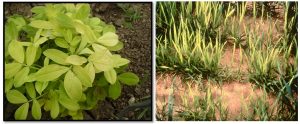
Overall light green color of the entire plant; older leaves turn light green to yellow as the deficiency intensifies.
| Source | Soil |
|---|---|
| Uptake In Plants | SO-24 (sulphate |
| Mobility in Soil | Mobile |
| Mobility in Plants | Intermediate |
| Availability in Soil pH | 6 to 8.5 |
| Deficiency in Plants | Young Leaves |
| Deficient Due to | Low organic matter content of soils; use of N and P fertilizers containing no sulfur, burning the crop residue |
| Sulphur Fertilizers | S % |
|---|---|
| Ammonium Sulphate | 24 % |
| Ammonium Phosphate Sulphate | 15 % |
| Potassium Sulphate | 18 % |
| Magnesium Sulphate | 23 % |
| Ferrous Sulphate | 19 % |
| Copper Sulphate | 13.8 % |
| Magnesium Sulphate | 23 % |
| Zinc Sulphate | 15 % |
| Bentonite Sulphur | 90 % |
Zinc-zn
Role of Zinc in Plants
Zinc helps production of enzymes, auxins, proteins and acts as catalyst in the production of Plant Growth Regulators
Helps in maintenance of biomembrane.
Takes Part in reproductive process of plants, Helps in maturity
Associated with water uptake and water retention
| Source | Soil |
|---|---|
| Uptake In Plants | Zn+2 |
| Mobility in Soil | Immobile |
| Mobility in Plants | Moderately Mobile |
| Availability in Soil pH | 5 to 7 |
| Deficiency in Plants | Old & Young Leaves |
| Deficient Due to | Highly leached acidic soils, calcareous soils, high levels of Ca, Mg, and P in the soils |
| Zinc Fertilizer | Zn % |
|---|---|
| Zinc EDTA | 12 % |
| Zinc Sulphate | 21 % |
| Zinc Sulphate Monohydrate | 33 % |
| Zinc Oxide | 39.5 % |
| Zinc Solubilizing Bacteria |
Zinc-Zn Deficiency Symptoms
Common Zinc deficiency symptoms are Chlorosis, Necrotic Spots, Bronzing of leaves, Resetting of leaves, reduction of internodal length, Shunting of leaves


Boron-b

Helps in better pollination and increases pollen tube fertility
Increases flower n fruit setting, enhances taste and color of fruits
Helps in translocation of sugars, cell division, enzyme and amino acid production
Helps in Root Growth, Boron is essential for normal development of root nodules in legumes such as soybeans, and peanuts and maintains sufficient moistures in plants
Deficiency
Abnormal development of growing points (meristematic tissue); apical growing points eventually become stunted and die; flowers and fruits will abort; for some grain and fruit crops, yield and quality are significantly reduced; plant stems may be brittle and easily break


| Source | Soil |
|---|---|
| Uptake In Plants | H3BO3 Boric ACID H3B03 Borate |
| Mobility in Soil | Very Mobile |
| Mobility in Plants | Immobile |
| Availability in Soil pH | 5 to 7 |
| Deficiency in Plants | Young Leaves |
| Deficiency due to | Sandy soils, naturally acidic leached soils, alkaline soils with free lime |
| Boron Fertilizer | Zn % |
|---|---|
| Di-Sodium Octa Borate Tetra | 20 % |
| Borax | 10.5 % |
| Boric Acid | 17 % |
Iron-fe
Role of Iron in Plants
Main component in the enzymes and protein production
Acts as catalyst in nitrate reductase, thus helping in assimilation of Nitrogen in plants
Iron involves in photosynthesis and respiration
Formation of leghemoglobin in legume nodules and thus helps in fixing of nitrogen in Legume Plants.
| Source | Soil |
|---|---|
| Uptake In Plants | Fe+2 Ferrous, Fe+3 Ferric |
| Mobility in Soil | Immobile |
| Mobility in Plants | Immobile |
| Availability in Soil pH | 6 to 7 |
| Deficiency in Plants | Young Leaves |
| Deficiency due to | Calcareous silt and clays, high organic matter, calcareous soils |
| Iron % | |
|---|---|
| Iron EDTA | 12 % |
| Ferrous Sulphate | 19 % |
Deficiency
Interveinal chlorosis on emerging and young leaves with eventual bleaching of the new growth; when severe, the entire plant may turn light green


Manganese-Mn
Role of Manganese in Plants
Manganese helps in the production of Amino Acids
It is a constituent of enzyme systems involved in breakdown of carbohydrates
Helps in reduction of Iron, Helps in the formation of Ligin Biosynthesis
Builds immunity against pest and pathogens
Increases the efficiency of photosynthesis and thus helps in assimilation of nutrients
| Source | Soil |
|---|---|
| Uptake In Plants | Mn+2 |
| Mobility in Soil | Immobile |
| Mobility in Plants | Immobile |
| Availability in Soil pH | 5.5 to 7 |
| Deficiency in Plants | Young Leaves |
| Deficiency Due to | Calcareous silt and clays, high organic matter, Calcareous soil |
| Manganese fertilizers Mn | Manganese % |
|---|---|
| Manganese EDTA | 12 % |
| Manganese Sulphate | 30.5 % |
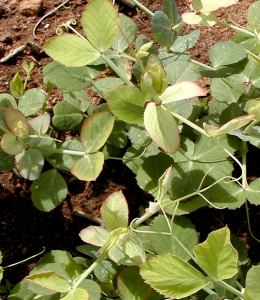
Interveinal chlorosis of young leaves while the leaves and plants remain generally green; when severe, the plants will be stunted

Copper-Cu
Role of Copper in Plants
Increases the fertility of Flowers
Increases diseases resistance in the plants, Copper also affects the flavor, the storage ability, and the sugar content of fruits
It is important to the formation of lignin in plant cell walls which contributes to the structural strength of the cells, and the plant.
Copper is necessary for Carbohydrate and Nitrogen metabolism
Copper deficiency :- Plant growth will be slow; plants will be stunted; young leaves will be distorted, and growing points will die


| Source | Soil |
|---|---|
| Uptake In Plants | Cu+2 |
| Mobility in Soil | Moderately Mobile |
| Mobility in Plants | Moderately Mobile |
| Availability in Soil pH | 5.5 to 7 |
| Deficiency in Plants | Young Leaves |
| Deficiency Due to | Highly leached acidic soils, calcareous soils, high levels of Ca, Mg, and P in the soils |
| Copper Fertilizer | Cu % |
|---|---|
| Copper EDTA | 12 % |
| Copper Sulphate | 24 % |
Molybdenum-Mo
Molybdenum has significant effect of pollen formation
Molybdenum helps in assimilation of Nitrogen in plants
Important constituent on Nitrogenase enzyme, which helps in N2 fixation in legume Crops
| Source | Soil |
|---|---|
| Uptake In Plants | MO-24 Molybdate |
| Mobility in Soil | Mobile |
| Mobility in Plants | Mobile |
| Availability in Soil pH | 5.5 to 7 |
| Deficiency in Plants | Old Leaves |
| Deficiency due to | Highly acidic soils; well drained calcareous soils |
| Molybdenum Fertilizer | Molybdenum % |
|---|---|
| Ammonium Molybdate | 52 % |